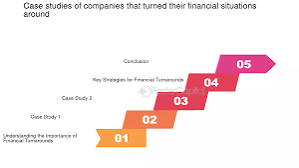
Every struggling business owner wonders if recovery is even possible once things start going seriously wrong. These business turnaround case studies show that decline isn’t always permanent — but recovery usually requires uncomfortable, decisive change, not small tweaks.
What Do Successful Business Turnaround Case Studies Have in Common?
The strongest business turnaround case studies share common threads: honest acknowledgment of what went wrong, decisive leadership change or refocus, and a willingness to cut unprofitable operations rather than trying to save everything at once.
1. Refocusing on Core Strengths
A common pattern in successful turnarounds involves a company that had expanded into too many unrelated areas, diluting both focus and resources. Recovery often began with cutting back to the core business that originally worked, rather than trying to fix every struggling division simultaneously.
2. Leadership Change as a Turning Point
Picture a mid-sized manufacturing company sliding into losses for three consecutive years under leadership resistant to change. New leadership, willing to make unpopular but necessary cuts and refocus the product line, turned the company profitable again within eighteen months.
3. Listening to Customers the Company Had Ignored
Several notable turnarounds involved companies that had grown disconnected from evolving customer needs. Genuinely re-engaging with customer feedback, rather than relying on outdated assumptions about what customers wanted, drove meaningful product and service changes.
4. Cutting Losses on Unprofitable Segments
- Discontinuing product lines that consistently lost money despite emotional attachment
- Closing underperforming locations rather than propping them up indefinitely
- Renegotiating or exiting unfavorable supplier and vendor contracts
5. Rebuilding Trust With Employees First
Turnarounds rarely succeed through strategy alone — companies that first rebuilt trust and morale with remaining employees after difficult cuts tended to execute the rest of the recovery plan far more effectively than those that ignored internal culture during crisis.
[link to related guide about building strong corporate culture here]
What Businesses Can Learn From These Turnaround Stories
The consistent lesson across these business turnaround case studies is that recovery requires honesty about what’s not working, even when that means cutting things the company once took pride in. Half-measures rarely reverse serious decline.
[link to related guide about leadership qualities that matter here]
FAQs
Q: How long does a typical business turnaround take? Most genuine turnarounds take 12-24 months to show clear, sustained results, though initial stabilization can happen faster with decisive early action.
Q: Is new leadership always necessary for a successful turnaround? Not always, but it’s a common factor, since existing leadership may struggle to make the objective, sometimes painful decisions required for genuine change.
Q: What’s the most common mistake companies make during a turnaround attempt? Trying to fix everything simultaneously rather than focusing intensely on the core issues causing the most significant losses first.
Q: Can small businesses learn from large corporate turnaround case studies? Yes, the underlying principles — honest assessment, focused cuts, rebuilding trust — apply regardless of company size, even if the specific scale differs.
Q: What role does company culture play in a successful turnaround? A significant one — turnarounds that ignore employee morale and trust during difficult changes tend to struggle with execution even when the strategic plan itself is sound.
Conclusion
These business turnaround case studies prove that serious decline doesn’t have to be permanent, but genuine recovery requires honest, sometimes uncomfortable decisions rather than incremental tweaks. If your business is struggling, the lesson isn’t to panic — it’s to honestly identify what’s actually broken and address it decisively, even when that means cutting something you once believed in.