Sales advice tends to fall into two camps: overly aggressive “always be closing” tactics that feel gross, or vague, feel-good advice that doesn’t actually move the needle. Neither helps much when you’re staring at a conversion rate that isn’t budging.
These sales strategies are drawn from what’s actually working for teams in 2026 — practical, not theoretical.
Which Sales Strategies Actually Increase Conversions?
The most effective sales strategies right now focus on understanding buyer hesitation deeply, personalizing outreach genuinely, and shortening the path between interest and purchase decision.
1. Ask Better Questions Before Pitching
Most sales conversations fail because the seller starts pitching before genuinely understanding the buyer’s actual problem. Spend the first few minutes asking, not presenting.
2. Personalize Outreach Beyond Just a Name
Generic templated outreach gets ignored constantly. Referencing something specific about the prospect’s business or situation, even briefly, dramatically increases response rates.
3. Reduce Friction in the Buying Process
Picture a customer ready to buy but facing a five-step checkout process with unclear pricing. That friction alone kills conversions that would’ve otherwise closed easily. Simplify wherever possible.
4. Use Social Proof Strategically
- Case studies relevant to the prospect’s specific industry
- Testimonials that address the exact objection they’re likely to raise
- Numbers and specific results, not vague praise
5. Follow Up More Than Feels Comfortable
Most sales are lost not because of rejection, but because of silence after the first pitch. Persistent, respectful follow-up (without being pushy) closes deals that would otherwise quietly disappear.
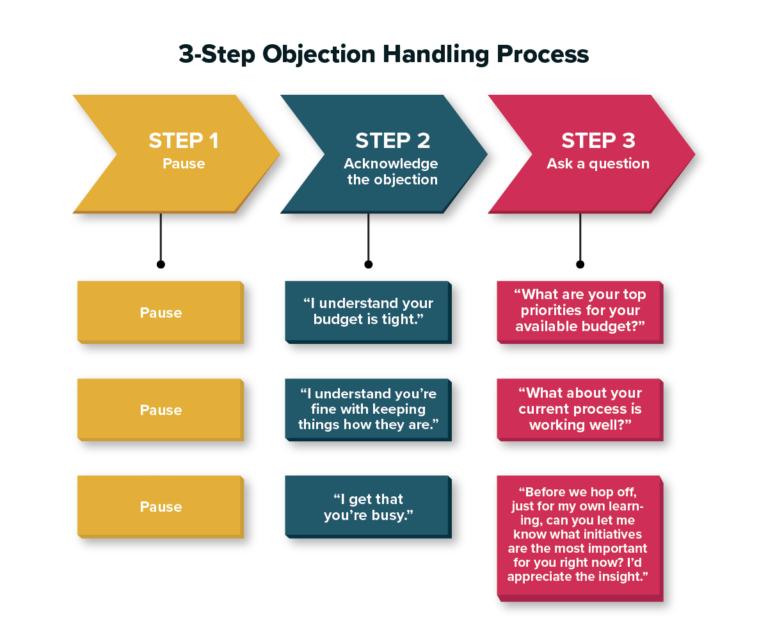
[link to related guide about handling customer objections effectively here]
6. Create Genuine Urgency, Not Fake Scarcity
Fake countdown timers and manufactured scarcity tend to backfire with more sophisticated buyers today. Genuine urgency — a real limited offer, a real deadline — works far better and preserves trust.
7. Match Your Sales Approach to the Buyer’s Stage
A prospect just discovering their problem needs education, not a hard pitch. A prospect actively comparing solutions needs differentiation. Matching your approach to their actual stage improves conversion significantly.
[link to related guide about marketing strategy for small business here]
FAQs
Q: What’s the most effective sales strategy for small businesses? Personalized outreach combined with consistent, respectful follow-up tends to outperform aggressive, generic tactics, especially for smaller teams without large sales departments.
Q: How many follow-ups does it typically take to close a sale? Research often points to somewhere between 5-8 touchpoints before a decision, though this varies significantly by industry and deal size.
Q: Does discounting actually increase conversions long-term? Not always — while discounts can boost short-term conversions, they can also attract price-sensitive customers who churn easily and devalue your brand over time.
Q: Should sales strategies differ between B2B and B2C? Yes, significantly — B2B typically involves longer cycles and multiple decision-makers, while B2C often responds faster to emotional and convenience-driven strategies.
Q: How important is social proof in improving conversions? Very important — specific, relevant testimonials and case studies consistently reduce buyer hesitation more effectively than generic marketing claims.
Conclusion
Improving conversions isn’t about finding one magic trick — it’s about consistently applying sales strategies that respect the buyer’s actual process and hesitations. Pick two or three from this list, apply them consistently for a full sales cycle, and measure real results before adding more to your approach.