Water is something most of us use without thinking twice. We turn on the tap to make tea, wash clothes, take a shower, or clean the kitchen. It’s part of everyday life, so when something seems slightly off, we often overlook it. Maybe soap doesn’t lather properly, white marks keep appearing on the bathroom taps, or freshly washed clothes feel rough. These small annoyances might point to a common household issue: the mineral content of your water.
Understanding what’s flowing through your pipes can make a surprising difference to your home. You don’t necessarily need an expensive upgrade or a complicated treatment system. Sometimes, a little knowledge about your water and the available solutions is enough to make everyday tasks easier.
Why Water Doesn’t Always Feel the Same
Water can look perfectly clear and still contain dissolved minerals, metals, and other substances. Its composition depends partly on where it comes from. Groundwater, for instance, often passes through rocks and soil that release minerals into it. Municipal supplies may also have different characteristics depending on their source and treatment process.
One common concern is hard water, which contains relatively high concentrations of dissolved calcium and magnesium. These minerals aren’t generally considered harmful at the levels associated with ordinary hardness, but they can affect how water behaves around the house.
You might notice stubborn deposits around faucets, cloudy spots on glassware, or a thin layer of scale inside your kettle. Soap may leave a film on your skin, while shampoo can be harder to rinse away. None of these signs alone proves that your water is hard, but together they can be useful clues.
What Happens When Minerals Build Up?
Mineral deposits can gradually accumulate wherever water is heated or allowed to evaporate. A kettle might develop a chalky coating, showerheads may become clogged, and bathroom fixtures can lose their shine despite regular cleaning.
The effects can extend beyond appearances. Scale inside water heaters and certain appliances may reduce heating efficiency over time. Washing machines and dishwashers can also develop mineral deposits, depending on water conditions and how well the equipment is maintained.
Of course, not every appliance problem comes from mineral buildup. Poor maintenance, worn components, and other water characteristics can contribute too. Still, understanding your home’s water can help you identify the right solution instead of repeatedly buying cleaning products that only address the symptoms.
Choosing a Water Treatment Solution That Makes Sense
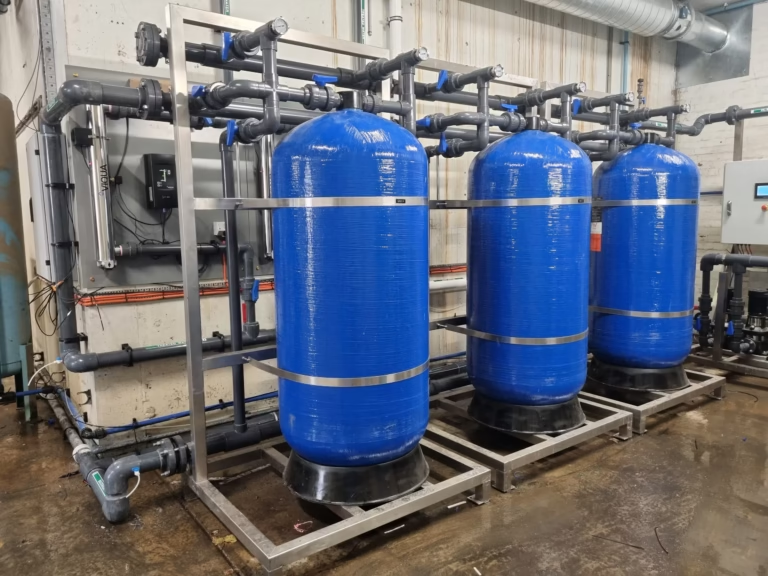
There are several ways to manage mineral-related problems, and the right choice depends on your household’s needs. Traditional ion-exchange water softeners work by replacing calcium and magnesium ions with other ions, usually sodium or potassium. They’re commonly used when the main goal is reducing hardness throughout the home.
A whole-house system may be suitable for a family dealing with persistent scale in bathrooms, kitchens, and hot-water equipment. Smaller treatment options can make more sense when the problem is limited to a particular appliance or tap.
However, softening isn’t the same as purifying. A conventional softener isn’t designed to remove every possible contaminant, including bacteria, pesticides, or all dissolved chemicals. If your concern involves drinking-water safety, you may need a different treatment method, such as a properly selected filtration or disinfection system.
Before buying anything, consider the installation requirements, ongoing maintenance, operating costs, and water usage. Some systems require periodic regeneration and salt replenishment. Others need replacement cartridges or professional servicing. The cheapest unit upfront isn’t always the least expensive option over several years.
How to Find Out What’s in Your Water
Guesswork can lead to unnecessary spending, so testing is a sensible first step. Water hardness can often be measured using a simple test kit, while a laboratory test can provide more detailed information when needed.
If your home receives municipal water, check whether your local supplier publishes a water-quality report. This may offer useful information about the source, treatment process, and measured substances. If you use a private borewell or another untreated source, periodic testing becomes particularly important because the composition can change over time.
Good water quality involves more than hardness alone. Depending on the source and local circumstances, relevant checks may include pH, dissolved solids, iron, nitrate, fluoride, and microbiological contamination. Not every household needs every test, so choose based on local risks and the intended use of the water.
For example, a family struggling with scale may primarily need a hardness test. A household using untreated groundwater may benefit from a broader assessment through a qualified laboratory. The goal is to understand the actual problem before choosing equipment.
Everyday Habits That Help
Even with a suitable treatment system, a few ordinary habits can help keep your home in better shape.
Clean showerheads and faucet aerators regularly to prevent deposits from restricting water flow. Follow appliance manufacturers’ instructions for descaling kettles, coffee makers, and other equipment. Use cleaning products appropriate for the surface, since acidic cleaners can damage certain stones, metals, and finishes.
If you’re considering a softener, remember that softened water may contain more sodium, depending on the system and incoming hardness. People following a medically prescribed sodium restriction should discuss relevant drinking-water choices with their healthcare professional. A separate drinking-water tap or an alternative treatment approach may be appropriate for some households.
It’s also worth resisting the temptation to buy a product simply because its packaging promises cleaner, healthier, or purer water. Ask what the system actually removes, whether independent testing supports those claims, and what maintenance it requires.
A Better Approach to Water Starts With Understanding
Water problems don’t always announce themselves dramatically. Often, they show up as little inconveniences that become part of the daily routine: another stained glass, another clogged showerhead, another hour spent scrubbing a kettle.
The good news is that you don’t have to accept these frustrations without investigating them. Start by observing the signs, checking available local reports, and testing your water when appropriate. Then compare treatment options based on your specific needs rather than marketing promises.
A well-chosen solution can make household cleaning easier, help manage mineral buildup, and support the efficient operation of suitable appliances. More importantly, it gives you confidence that you’re addressing the real issue.
After all, good water management isn’t about buying the most sophisticated equipment available. It’s about knowing what your water contains, understanding how it affects your home, and making a practical decision that works for your family over the long term.