Corporate governance sounds like one of those dry, compliance-heavy topics only relevant to massive corporations with legal departments. In reality, it matters just as much for smaller, growing companies — often more, because there’s less margin for error.
Let’s break down what it actually means in practical terms, not just textbook definitions.
What Does Corporate Governance Actually Mean?
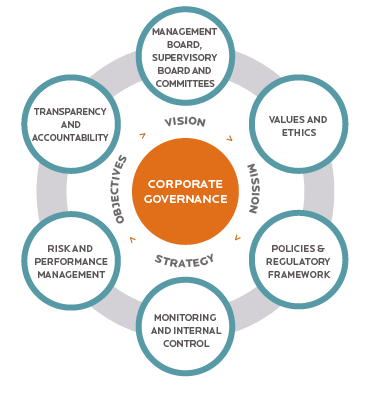
Corporate governance refers to the systems and processes through which a company is directed and controlled — covering board oversight, financial transparency, and accountability structures that protect both the company and its stakeholders.
1. It’s Not Just for Large Corporations
A lot of founders assume governance only becomes relevant once they’re a massive listed company. In reality, weak governance in early-stage companies often creates problems that become nearly impossible to fix later — messy equity structures, unclear decision rights, and disputes among founders.
2. Board Structure and Oversight
Even a small company benefits from having some form of oversight beyond just the founder’s own judgment — whether that’s a formal board, an advisory board, or even a small group of trusted mentors reviewing key decisions.
3. Financial Transparency Isn’t Optional
Investors, and eventually employees, expect clear, honest financial reporting. Companies that fudge numbers or delay disclosures, even with good intentions, tend to damage trust that’s very hard to rebuild.
[link to related guide about small business accounting basics here]
4. Clear Decision-Making Rights
Picture two co-founders who never formally documented who has final say on hiring decisions. Six months in, a disagreement over a key hire turns into a damaging conflict that could’ve been avoided with a simple written agreement upfront.
5. Accountability Structures Protect Everyone
Good corporate governance isn’t about restricting founders — it’s about creating checks that protect the company from any single person’s blind spots, including the founder’s own.
6. Compliance Isn’t Just Paperwork
Regulatory compliance (tax filings, labor law adherence, data protection practices) is often treated as a nuisance until it becomes an expensive legal problem. Building compliance habits early avoids painful corrections later.
- Register and file required documents on time, every time
- Keep clear records of all major decisions
- Separate personal and business finances strictly
7. Governance Builds Investor Confidence
Investors evaluating a company for funding look closely at governance practices — messy or informal governance is often a red flag that delays or kills funding conversations entirely.
[link to related guide about startup funding in India here]
8. Ethical Standards Set From the Top
Employees and partners take cues from how leadership handles ethical gray areas. Weak governance at the top tends to trickle down into weaker standards throughout the organization.
FAQs
Q: Does a small startup really need formal corporate governance? Yes, even basic governance practices — clear agreements, financial transparency, documented decisions — prevent significant problems as the company scales.
Q: What’s the difference between management and corporate governance? Management handles day-to-day operations; governance is the broader system of oversight and accountability that ensures management decisions align with the company’s long-term interests.
Q: Can poor corporate governance affect a company’s ability to raise funding? Absolutely — investors specifically evaluate governance practices, and weak or informal structures are a common reason funding rounds stall or fail.
Q: Who is responsible for corporate governance in a small company? Primarily founders and any board or advisory members, though as the company grows, dedicated governance roles often become necessary.
Q: How often should governance practices be reviewed? At minimum annually, though many growing companies review key governance structures every 6 months as the business evolves.
Conclusion
Corporate governance isn’t reserved for massive corporations with legal teams — it’s a foundation every growing company needs, built early rather than retrofitted after a crisis. Clear decision rights, financial transparency, and basic accountability structures protect the company, its founders, and everyone who depends on it. Start small, but start now.