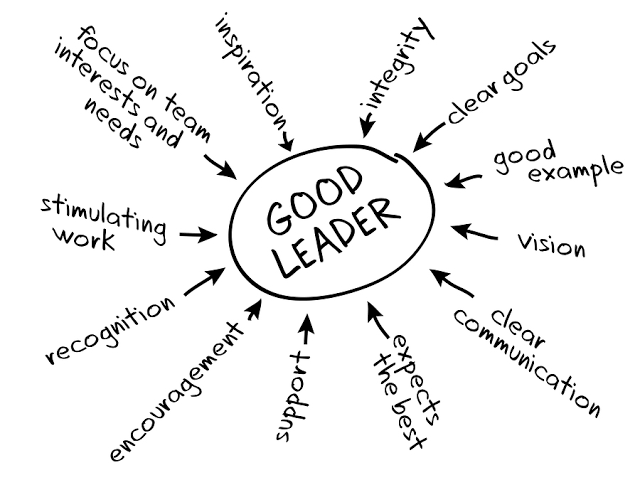
Managing people you rarely, if ever, see in person is genuinely different from traditional in-office management. A lot of managers just apply old-school leadership habits to remote teams and wonder why engagement drops.
If you’re trying to figure out how to lead a remote team effectively, the answer isn’t more meetings — it’s usually the opposite.
What Does It Really Take to Lead a Remote Team Effectively?
To lead a remote team effectively, prioritize clear written communication, outcome-based accountability over constant monitoring, and deliberate effort to build trust despite limited face-to-face interaction.
1. Communicate in Writing, Clearly and Often
Remote teams rely heavily on written communication, which means ambiguity that would be quickly clarified in person can linger and cause real confusion. Over-communicate context, deadlines, and expectations in writing.
2. Focus on Outcomes, Not Hours Logged
Picture a manager obsessing over whether an employee is “active” on Slack throughout the day, rather than whether their actual deliverables are strong. This kind of monitoring erodes trust fast and rarely improves real productivity.
3. Build Deliberate Personal Connection
In-office teams build rapport naturally through hallway conversations and lunch breaks. Remote leaders need to create similar opportunities intentionally — casual virtual check-ins, informal chat channels, occasional in-person meetups if feasible.
4. Set Clear Expectations Around Availability
Ambiguity around working hours across time zones or flexible schedules causes unnecessary friction. Clearly define expected response times and core overlap hours where real-time communication is needed.
5. Avoid Meeting Overload
Remote teams often overcorrect for lack of in-person interaction by scheduling excessive meetings. This usually backfires, eating into focused work time without actually improving alignment.
- Default to asynchronous updates where real-time discussion isn’t necessary
- Keep necessary meetings tightly scoped with clear agendas
- Protect blocks of uninterrupted, meeting-free time for deep work
6. Recognize Signs of Burnout Early
Remote work blurs boundaries between personal and professional time, often leading to burnout that’s harder to spot without in-person cues. Regular, genuine check-ins matter more than they might in an office setting.
[link to related guide about leadership qualities that build trust here]
7. Invest in the Right Tools, But Don’t Over-Rely on Them
Good project management and communication tools genuinely help, but they’re not a substitute for clear leadership and communication habits. Tools amplify good practices — they don’t replace them.
8. Give Feedback More Frequently, Not Less
Without natural in-person opportunities for quick feedback, remote leaders need to be more deliberate about scheduling regular, honest feedback conversations rather than letting issues accumulate until a formal review.
[link to related guide about strong corporate culture that retains talent here]
9. Trust Your Team by Default
Remote leadership fundamentally requires a baseline of trust. Leaders who default to suspicion, requiring constant proof of work, create resentment and often lose their best people first — since skilled remote workers have plenty of other options.
FAQs
Q: How often should a remote team have video meetings? This varies by team, but many effective remote teams limit synchronous meetings to a few times weekly, relying on asynchronous updates otherwise.
Q: How do you build trust with a remote team you’ve never met in person? Consistency, clear communication, and following through on commitments build trust over time, even without physical presence — occasional in-person meetups accelerate this where feasible.
Q: Is remote work less productive than in-office work? Research and real-world results are mixed and highly dependent on management approach — poorly managed remote teams underperform, but well-managed ones often match or exceed in-office productivity.
Q: What’s the biggest challenge in leading remote teams? Maintaining genuine connection and catching problems (disengagement, burnout, misalignment) early, since the usual in-person cues aren’t available.
Q: Should remote employees be monitored with activity-tracking software? Generally not recommended — it tends to damage trust and morale more than it improves actual productivity, and skilled employees often resent this level of surveillance.
Conclusion
Leading a remote team well isn’t about replicating office habits through a screen — it requires a genuinely different approach built on trust, clear communication, and outcome-based accountability. Get those fundamentals right, and distance stops being a real obstacle to a high-performing, engaged team.