Most startups don’t fail because of some dramatic, obvious disaster. They fail slowly, from a handful of avoidable startup mistakes that pile up quietly until it’s too late to fix them.
I’ve watched founders repeat the same errors over and over, almost like they’re following an unspoken playbook of what not to do. Let’s break down the most common ones, and more importantly, how to sidestep them.
What Are the Most Common Startup Mistakes?
The most frequent startup mistakes include building a product before validating demand, hiring too fast, and running out of cash due to poor financial planning. Nearly all of these are avoidable with basic discipline early on.
1. Building Before Validating
This is probably the number one killer. Founders fall in love with their solution before confirming anyone actually wants it.
Talk to 20 potential customers before writing a single line of code or spending on inventory. It feels slow. It saves months.
2. Chasing Every Idea at Once
Trying to serve three customer segments with two products and four revenue streams sounds ambitious. In reality, it usually just spreads the team thin and confuses the market about what you actually do.
3. Hiring Too Fast, Too Early
Picture a startup with six months of runway that hires five people in month two because “growth demands it.” Three months later, they’re out of cash with half a product built. Hire slowly until revenue justifies the headcount.
4. Ignoring Unit Economics
If you lose money on every sale, more sales just means losing money faster. Know your margins before scaling anything.
5. Founder Conflict Left Unresolved
Co-founder disagreements are normal. What kills startups isn’t the disagreement — it’s letting it fester unaddressed for months. Have the hard conversation early, ideally with a clear founder agreement in place from day one.
[link to related guide about entrepreneurship skills every founder needs here]
6. Underpricing the Product
Founders often underprice out of fear that customers won’t pay more. This backfires — low prices attract price-sensitive customers who churn easily and rarely become advocates.
7. Skipping Legal and Compliance Basics
Skipping proper contracts, IP protection, or compliance registrations feels like a shortcut, until it becomes an expensive legal problem down the line.
- Get founder agreements in writing
- Register IP where relevant
- Understand basic tax and compliance obligations early
8. Raising Money Too Early or Too Late
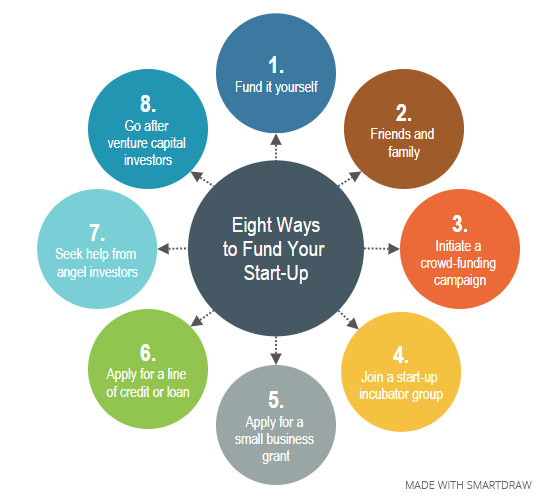
Raising before you have any traction dilutes equity for no real benefit. Raising too late means running out of cash before the next round closes. Timing matters more than most founders realize.
9. Ignoring Customer Feedback That Contradicts the Vision
It’s natural to want to defend your original idea. But if customers consistently ask for something different, ignoring that feedback out of stubbornness is a slow, self-inflicted wound.
10. No Clear Metric for Success
Startups without one clear north-star metric end up optimizing for whatever feels urgent that week, rather than what actually matters for growth.
[link to related guide about startup funding in India here]
FAQs
Q: What is the single biggest reason startups fail? Building something nobody actually wants — most other failures trace back to skipping proper validation early on.
Q: How do I know if I’m scaling too fast? If your burn rate is increasing faster than revenue or traction, that’s usually a clear sign you’re outpacing actual demand.
Q: Should co-founders have equal equity? Not necessarily — equity should reflect contribution, commitment, and risk taken, which often aren’t equal between co-founders.
Q: How much runway should a startup keep at all times? Most advisors recommend at least 6-9 months of runway before you need to start seriously worrying about the next raise.
Q: Is it a mistake to pivot the business model? Not at all — pivoting based on real customer feedback is a strength, not a failure, as long as it’s not done impulsively every few weeks.
Conclusion
Most startup mistakes aren’t exotic or unpredictable — they’re the same handful of errors repeated by founder after founder. Validate before building, watch your unit economics, hire slowly, and don’t let founder conflicts sit unresolved. Avoiding these mistakes won’t guarantee success, but it removes a huge chunk of the risk that’s entirely within your control.