A vehicle spends a surprising amount of time in public view. Whether it’s parked outside a business, sitting in traffic, or travelling through a busy neighbourhood, it naturally attracts attention. For businesses, that everyday visibility creates an opportunity that’s easy to overlook: turning a vehicle into a mobile advertising tool.
Vehicle wraps have become a practical way for companies, entrepreneurs, and even individuals to change the appearance of their vehicles while promoting a brand. Unlike a traditional advertisement that people see for a few seconds online, a well-designed wrap can be noticed repeatedly during daily commutes, deliveries, and service calls. It’s a simple idea, but when done thoughtfully, it can make a lasting impression.
What Makes Vehicle Wraps So Effective?
A vehicle wrap is a printed vinyl covering applied to some or all of a vehicle’s exterior. It can feature a business logo, contact details, colours, graphics, product images, or a complete custom design. Depending on the goal, owners can choose a full wrap, partial wrap, or smaller graphics for specific areas.
The appeal goes beyond appearance. A wrapped vehicle communicates that a business is active, established, and ready to be seen. A clean service van with consistent branding, for example, can create familiarity before a customer ever visits the company’s website.
There’s also the repetition factor. Someone might notice the same vehicle on the road several times a week. That repeated exposure can help a company’s name become familiar, which is especially useful for local businesses competing for attention in a crowded market.
Creating a Look That Represents Your Brand
Design is where a wrap either succeeds or falls flat. A vehicle covered in too much text, tiny details, or clashing colours may technically contain all the necessary information, but it can be difficult to understand while moving through traffic.
Effective designs usually focus on a few important elements: a recognisable logo, a clear message, a memorable colour scheme, and easy-to-read contact information. The design should also suit the shape of the vehicle. A graphic that looks excellent on a flat surface may need adjustments when placed around doors, wheel arches, windows, or curved panels.
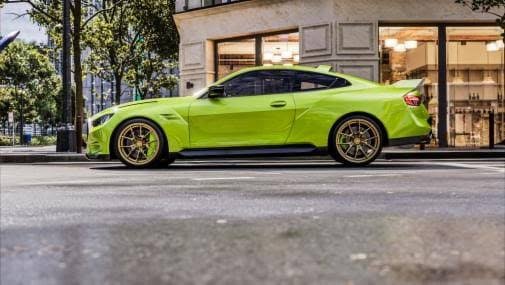
For businesses seeking something more distinctive, custom vehicle wraps offer the flexibility to create a visual identity that feels genuinely different from standard company vehicles. A landscaping company might use natural textures and outdoor imagery, while a technology firm may prefer a clean, modern design. The key is making sure the wrap reflects what the business actually does.
Why Truck Wraps Are Popular with Businesses
Trucks are particularly useful advertising platforms because they often travel long distances and have substantial surface areas for branding. From pickup trucks used by contractors to delivery vehicles operated by growing companies, they can carry a brand into different neighbourhoods and service areas every day.
Truck wraps can be designed around the vehicle’s practical purpose. A plumbing company, for example, might include a simple illustration of a pipe, a bold company name, and a phone number that can be read quickly. A food business could use appetising photography or colourful graphics to make the vehicle more visually memorable.
Another advantage is consistency. When multiple trucks share the same design, customers begin to recognise the company across different locations. That visual consistency can support broader marketing efforts, especially when the same colours and logo appear on a website, uniforms, business cards, and social media pages.
Trailer Wraps: A Large Canvas for Brand Visibility
Trailers are another excellent option for businesses that need additional advertising space. Since trailers often have large, relatively open surfaces, they provide room for detailed branding without requiring the design to compete with a vehicle’s smaller body panels.
Trailer wraps can be especially useful for transport companies, event businesses, mobile workshops, retailers, and companies that use trailers for equipment or product deliveries. A trailer parked at a job site can continue promoting a business even when the vehicle is no longer moving.
However, a trailer design should still be easy to understand from a distance. Large lettering, strong contrast, and a clear visual hierarchy tend to work better than complicated layouts. It’s worth remembering that the wrap needs to communicate quickly, sometimes to someone passing by at speed.
More Than Advertising: Protection and Appearance
Although advertising is a major reason people choose wraps, they can also provide a layer of protection for the original paintwork. High-quality vinyl may help shield the surface from minor scratches, road debris, and everyday exposure. It won’t make a vehicle invincible, of course, but it can help preserve the underlying finish when properly installed and maintained.
Wraps also offer a way to refresh an older vehicle without the expense or permanence of a complete paint job. A business can update its appearance, change colours, or create a new campaign without permanently altering the original paint. When the wrap is removed professionally, the paint underneath may remain in good condition, assuming it was suitable and properly maintained beforehand.
Choosing the Right Material and Installer
Not all wraps are created equally. The quality of the vinyl, printing process, adhesive, and installation can make a noticeable difference in the final result. Cheap materials may fade, shrink, bubble, or peel sooner, particularly when exposed to intense sunlight and changing weather conditions.
A reliable installer should be able to explain the available material options, expected lifespan, maintenance requirements, and warranty coverage. They should also inspect the vehicle before installation. Damaged paint, rust, deep scratches, or poorly prepared surfaces can affect how well the vinyl adheres.
Installation itself requires patience and precision. Seams, edges, handles, mirrors, and curves all need careful attention. A professional finish isn’t just about making the wrap look good on the first day; it’s about ensuring it remains secure and attractive over time.
Maintaining a Wrapped Vehicle
Maintaining a wrapped vehicle is generally straightforward, but it does require a little care. Hand washing with mild soap and a soft cloth is often preferable to harsh cleaning chemicals or abrasive brushes. Owners should also avoid allowing dirt, bird droppings, or other contaminants to remain on the surface for extended periods.
Automatic car washes with aggressive brushes may damage the vinyl, depending on the wrap material and finish. It’s also wise to follow the installer’s specific care instructions, particularly for matte, satin, textured, or specialty finishes.
Parking in a garage or shaded area when possible can help reduce prolonged exposure to sunlight. Small habits like these can extend the wrap’s appearance and help protect the investment.
A Marketing Investment Worth Considering
Vehicle wraps aren’t a replacement for every form of advertising, but they can complement digital campaigns, local marketing, and word-of-mouth referrals. Their biggest strength is that they turn something a business already uses—its vehicle—into a branding opportunity.
The most successful wraps tend to be clear rather than complicated, memorable rather than overwhelming, and professionally installed rather than rushed. Whether it’s a single company car, a fleet of trucks, or a large trailer, the right design can help a business become more recognisable wherever it travels.
In the end, a vehicle wrap works best when it does two things at once: looks appealing and communicates a clear message. That balance is what turns a simple vinyl covering into a useful, everyday marketing asset.