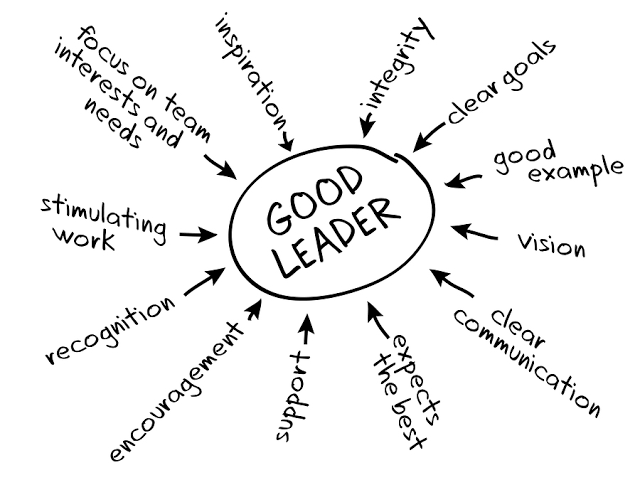
Good bosses are fine. Employees tolerate them, do their job, and move on when a better opportunity comes along. Great bosses are different — people stay, work harder, and genuinely recommend others join the team.
The difference usually comes down to a specific set of leadership qualities that aren’t taught in most management training programs, honestly.
What Leadership Qualities Actually Set Great Bosses Apart?
The leadership qualities that consistently separate great bosses from average ones include genuine transparency, consistent follow-through, and the ability to give honest feedback without damaging trust or motivation.
1. Transparency, Even When It’s Uncomfortable
Great bosses share the real situation, even when it’s not flattering — upcoming layoffs, budget constraints, difficult client feedback. Employees respect honesty far more than false reassurance.
2. Consistency Between Words and Actions
If a boss says “my door is always open” but consistently seems annoyed when approached, employees notice, and trust erodes quickly. Consistency matters more than any single grand gesture.
3. Genuine Curiosity About Team Members
Picture a manager who remembers that an employee’s parent was unwell and actually follows up weeks later. That small consistency builds loyalty far more effectively than any team-building event.
4. Comfort Giving Direct, Honest Feedback
Weak bosses avoid difficult conversations, letting problems fester. Great bosses address issues directly but respectfully, before they become larger problems.
5. Willingness to Admit Mistakes
Nothing builds trust faster than a leader openly admitting “I got that wrong” instead of deflecting blame downward. It’s a small act, but it changes team dynamics significantly.
6. Protecting the Team From Unnecessary Pressure
Great bosses absorb pressure from above rather than simply passing all of it down unfiltered to their team. This doesn’t mean hiding reality — it means managing it thoughtfully.
7. Investing in People’s Growth, Not Just Output
- Regular, genuine career conversations, not just performance reviews
- Actively creating stretch opportunities for capable team members
- Supporting skill development even when it might eventually mean losing that person to a promotion elsewhere
8. Decisiveness Without Being Reckless
Teams lose confidence in leaders who can’t make decisions, but they also lose trust in leaders who decide carelessly without considering real input first.
[link to related guide about how to lead a remote team effectively here]
9. Emotional Steadiness Under Pressure
Teams take cues from how a leader reacts during crises. A leader who stays composed, even while acknowledging difficulty, keeps the team functional. Visible panic spreads fast and damages morale.
10. Genuine Recognition of Good Work
Recognition that’s specific and timely lands far better than generic praise. “Great job this quarter” means far less than acknowledging a specific decision that made a real difference.
[link to related guide about building strong corporate culture here]
FAQs
Q: Can leadership qualities be developed, or are some people just natural leaders? Mostly developed — very few effective leaders were naturally skilled from the start; most improved significantly through deliberate practice and feedback over time.
Q: What’s the most common leadership mistake new managers make? Avoiding difficult conversations, which usually allows small problems to grow into much larger, harder-to-resolve issues later.
Q: Do great leadership qualities differ across industries? Core qualities like transparency and consistency remain constant, though specific application (pace of decisions, communication style) may vary by industry culture.
Q: How important is emotional intelligence in leadership? Extremely important — technical competence gets someone into a leadership role, but emotional intelligence usually determines how effective they actually are once there.
Q: Can leadership qualities be assessed before promoting someone into management? To some extent, through behavioral interviews and peer feedback, though many qualities only become fully visible once someone is actually managing people.
Conclusion
Great leadership qualities aren’t about charisma or grand speeches — they’re built through consistent, honest, everyday behavior that employees can rely on. Focus on transparency, direct feedback, and genuine investment in your team’s growth, and the loyalty that builds from those habits will matter more than any single leadership training program ever could.