Every salesperson dreads that moment — you’re mid-pitch, feeling good about the conversation, and then the prospect hits you with “it’s too expensive” or “we need to think about it.” How you respond in that moment often determines whether the deal survives.
Learning to handle customer objections properly isn’t about having a scripted rebuttal for everything. It’s about genuinely understanding what’s behind the hesitation.
What’s the Best Way to Handle Customer Objections?
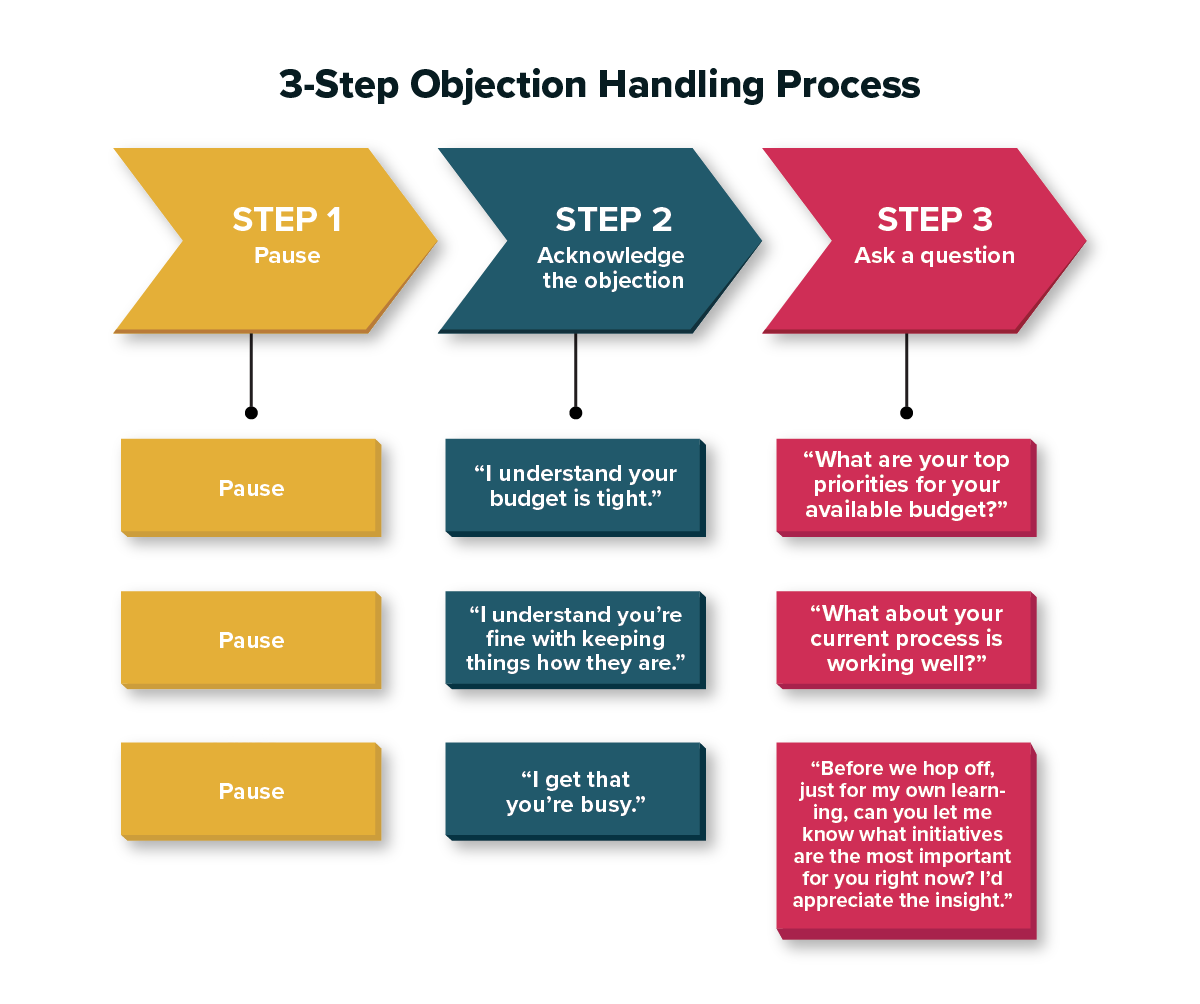
The most effective way to handle customer objections is to acknowledge the concern genuinely, ask a clarifying question to understand the real issue, and then address that specific concern rather than launching into a generic rebuttal.
1. Don’t Argue — Get Curious Instead
The instinct when facing an objection is to immediately defend or counter. A better first move is simply asking, “Can you tell me more about that?” Often, the stated objection isn’t the real one.
2. The Price Objection Usually Isn’t About Price
When a prospect says “it’s too expensive,” they often mean they haven’t yet seen enough value to justify the cost — not that the number itself is objectively too high. Address the value gap, not just the price.
3. Acknowledge Before You Respond
Picture a salesperson who immediately launches into a rebuttal the second an objection is raised, without even acknowledging the concern first. It feels dismissive, even if the rebuttal itself is technically correct. Acknowledge first, then respond.
4. Prepare for Common Objections in Advance
- “We need to think about it” — usually means unclear next steps or unresolved doubt
- “It’s not the right time” — often signals unclear urgency, not genuine disinterest
- “We’re already using a competitor” — an opportunity to differentiate, not a dead end
5. Use Specific Examples, Not Generic Reassurance
Vague reassurance (“I understand, but trust me, it’s worth it”) rarely works. Specific examples of similar customers who had the same concern and how it worked out for them land far better.
[link to related guide about sales strategies that increase conversions here]
6. Know When to Let an Objection Go Unanswered
Not every objection needs an immediate rebuttal. Sometimes acknowledging it honestly, without forcing a counter, actually builds more trust than an overly polished response.
7. Close With a Clear, Low-Pressure Next Step
After addressing an objection, avoid immediately pushing for a hard close. A clear, low-pressure next step (“Would it help if I sent over a few case studies relevant to your situation?”) often moves things forward more naturally.
[link to related guide about content marketing versus paid ads here]
FAQs
Q: What’s the most common customer objection in sales? Price-related objections are among the most frequent, though they often mask a deeper concern about perceived value rather than the actual number.
Q: How do I handle an objection without sounding defensive? Acknowledge the concern genuinely before responding, and ask a clarifying question rather than immediately jumping into a rebuttal.
Q: Should I have scripted responses ready for common objections? Having a general framework is helpful, but overly scripted responses can feel robotic — aim for prepared flexibility rather than a rigid script.
Q: Is it ever okay to walk away from a prospect who keeps objecting? Yes — not every prospect is a good fit, and recognizing when persistence isn’t productive saves time for more promising opportunities.
Q: How do objections differ between first-time buyers and repeat customers? First-time buyers often need more reassurance and proof, while repeat customers’ objections tend to focus more on specific new features, pricing changes, or service concerns.
Conclusion
Handling customer objections well isn’t about winning an argument — it’s about genuinely understanding the hesitation and addressing what’s actually behind it. Get comfortable asking clarifying questions before responding, and you’ll find objections become far less intimidating and far more useful as a window into what the prospect actually needs to hear.