Picking a platform is one of the first real decisions you’ll make as an online seller, and honestly, it’s harder to reverse later than most people expect. Migrating a full store later is genuinely painful, so getting this right early matters.
Let’s compare the best ecommerce platforms honestly, based on real usability rather than marketing claims.
Which E-commerce Platform Is Actually Best for Small Businesses?
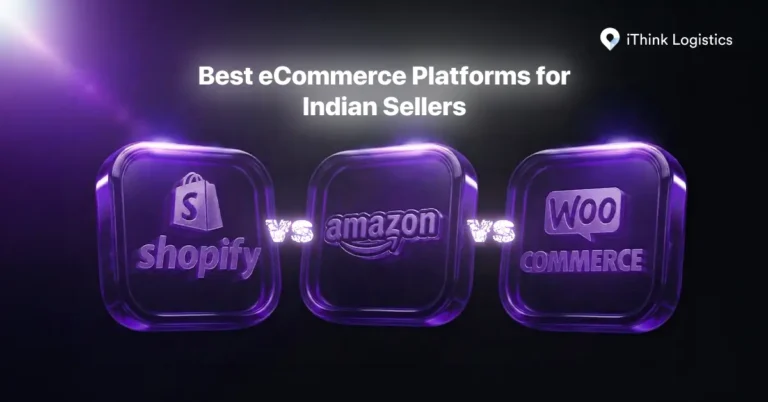
Among the best ecommerce platforms, Shopify suits sellers wanting an easy, all-in-one setup, WooCommerce fits those wanting more control on WordPress, and Amazon works best for sellers prioritizing built-in traffic over brand control.
1. Shopify
Genuinely the easiest to set up, with strong built-in features and a huge app ecosystem for extending functionality. The downside is monthly fees plus transaction costs that add up as you scale.
Best for: Sellers wanting a polished, easy-to-manage store without deep technical knowledge.
2. WooCommerce
A free WordPress plugin that gives significant control and customization, at the cost of needing more technical comfort (or hiring someone who has it) to set up and maintain properly.
Best for: Sellers already comfortable with WordPress wanting maximum customization and lower ongoing platform fees.
3. Amazon
Built-in traffic is the biggest advantage here — you’re selling to people already searching to buy, without needing to drive your own traffic. The tradeoff is limited brand control and significant competition within the same marketplace.
Best for: Sellers prioritizing immediate visibility and sales volume over building an independent brand presence.
4. Flipkart
Similar advantages to Amazon within the Indian market specifically, with strong existing customer trust and traffic, though again with limited brand differentiation compared to an independent store.
Best for: India-focused sellers wanting marketplace traffic without building independent brand infrastructure initially.
5. Instagram and WhatsApp Commerce
Not a traditional “platform” in the same sense, but genuinely viable for small sellers just starting out, using catalogs and direct messaging rather than a formal storefront.
Best for: Very early-stage sellers testing demand before committing to a full ecommerce platform.
How to Choose
Picture a seller with a unique, brand-focused product line wanting long-term customer relationships — Shopify or WooCommerce fit better. A seller with a commoditized product wanting fast volume might do better starting on Amazon or Flipkart instead.
- Testing an idea? Start with Instagram/WhatsApp catalogs
- Want built-in traffic fast? Try Amazon or Flipkart
- Building a long-term independent brand? Shopify or WooCommerce
[link to related guide about starting an ecommerce business from scratch here]
FAQs
Q: Which ecommerce platform is cheapest to start with? WooCommerce has the lowest direct platform cost since it’s free, though hosting and technical setup costs should be factored in.
Q: Can I sell on multiple ecommerce platforms simultaneously? Yes, many sellers list on marketplaces like Amazon while also maintaining an independent Shopify or WooCommerce store for brand control.
Q: Is Shopify worth the monthly cost compared to free alternatives? For sellers wanting ease of use and reliable support without deep technical involvement, many find the cost justified relative to time saved.
Q: Do marketplace platforms like Amazon take a large commission? Yes, commissions typically range from 5-20% depending on category, which should be factored carefully into pricing and margin calculations.
Q: Which platform is best for a completely new seller with no technical skills? Shopify or marketplace platforms like Amazon are generally easier starting points for sellers without technical comfort, compared to WooCommerce’s more hands-on setup.
Conclusion
There’s no single winner among the best ecommerce platforms — the right choice depends on whether you’re prioritizing brand control, built-in traffic, or lowest cost. Match the platform to your specific stage and goals rather than picking based on what’s trending, and you’ll save yourself a painful migration down the road.