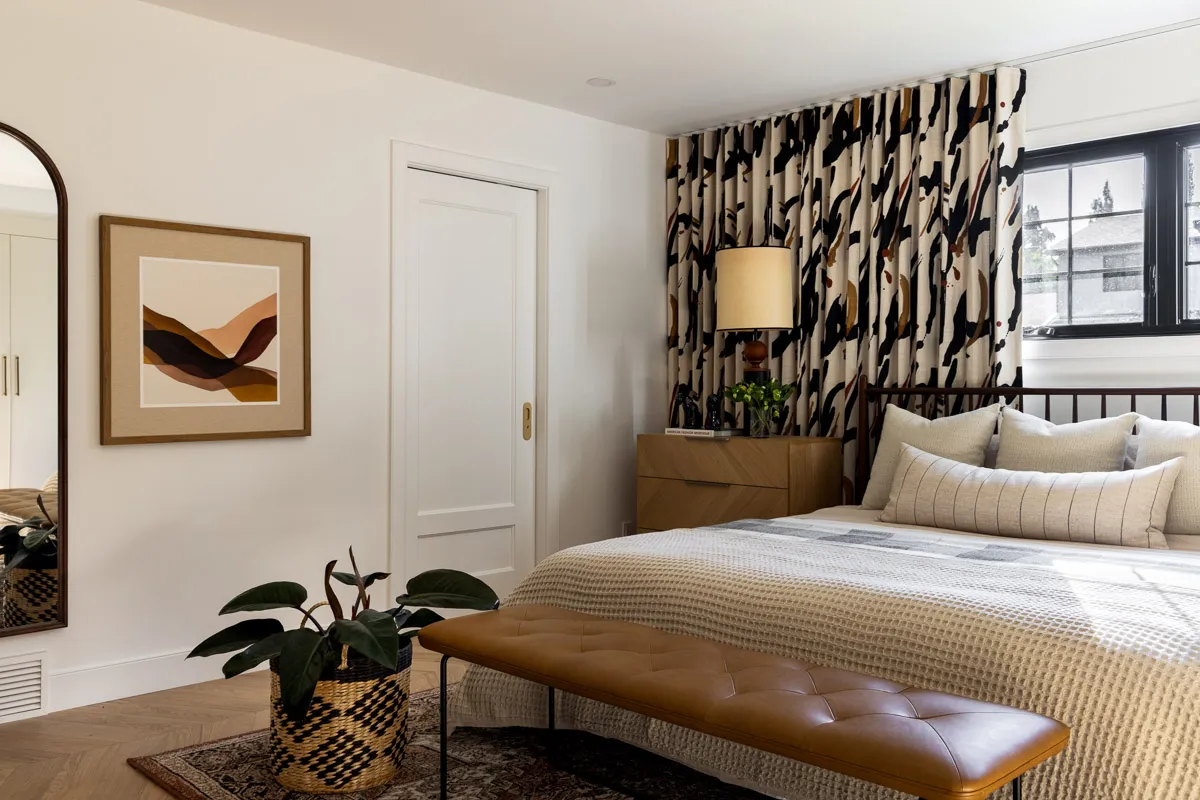
A room can have beautiful architecture, expensive furniture, and a carefully chosen color palette and still feel strangely unfinished. It happens more often than people think. The major decisions are there, yet something is missing — a sense of softness, character, or connection.
Usually, that missing feeling comes from the details.
The way daylight enters through a window. The texture beneath your feet. A lamp casting a warm pool of light across a side table. A painting that catches your attention every time you walk past it. These elements may seem secondary when compared with walls, flooring, or cabinetry, but they can completely change how a space feels.
Good interiors aren’t always loud. Sometimes, they’re memorable because of the quieter things.
Start With What the Room Already Gives You
Before adding anything, look carefully at the room itself.
Where does the morning sun come in? Which windows receive strong afternoon light? Is there an architectural feature worth emphasizing? Does the room feel visually heavy on one side? Are the ceilings high enough to support larger decorative elements?
These observations can guide decisions far better than simply choosing items because they look good in a showroom.
For example, a room with generous windows may not need much decorative color. The changing daylight can become part of the design. A darker room, meanwhile, might benefit from lighter fabrics, reflective surfaces, and carefully positioned lamps.
The goal is to work with the architecture rather than constantly fighting it.
Windows Affect More Than Privacy
Windows are often treated as a practical necessity, but they have enormous visual influence.
Bare windows can make a room feel crisp and open, while fabric can add softness and warmth. The challenge is finding the right balance between beauty and function. Privacy, glare, insulation, light control, and maintenance all matter.
Thoughtfully selected window treatments and rugs can also help connect different parts of a room. Curtains can introduce height and movement, while a rug grounds the furniture and gives the seating area a clear visual boundary.
A common mistake is choosing a rug that’s too small. If the furniture appears to float around the perimeter rather than sitting within the rug’s visual field, the room can feel disconnected. Going slightly larger often creates a more generous, cohesive effect.
And curtains? Hanging them higher and wider than the actual window frame can make the architecture feel taller and more substantial.
Small adjustment, surprisingly big difference.
Lighting Changes the Mood
Natural daylight is wonderful, but it disappears every evening.
That’s why lighting deserves more thought than simply selecting an attractive ceiling fixture. A room usually feels more comfortable when light comes from several levels and directions.
Overhead fixtures provide general illumination. Table and floor lamps bring light closer to eye level. Wall sconces can highlight architectural features, while accent lighting can draw attention to artwork, shelves, or interesting materials.
The color temperature matters, too.
Cooler light can feel crisp and energetic, while warmer light tends to create a softer, more intimate atmosphere. Neither is automatically better. A kitchen workspace may benefit from clearer illumination, while a bedroom or sitting room often feels better with a warmer glow.
And don’t underestimate dimmers. They give a room flexibility that a simple on-off switch can’t provide.
The same space can feel bright and energetic in the afternoon, then calm and cozy later that night.
Rugs Create Invisible Boundaries
Open-plan homes can be beautiful, but they sometimes lack definition.
A rug can solve that problem without adding another wall.
In a large living area, a properly sized rug can visually gather the sofa, chairs, and coffee table into one conversation zone. In a bedroom, it can soften the area around the bed and make the room feel warmer.
Texture matters here as much as color. A thick woven rug adds softness, while a flatter weave may provide a cleaner, more understated look.
Consider maintenance, too. A pale, high-pile rug might be gorgeous in a quiet adult sitting room but less practical in a busy family space. There’s nothing wrong with choosing something durable. In fact, a beautiful rug that can handle everyday life is usually more valuable than one that needs constant protection.
Art Should Feel Personal
There’s a difference between decorating a wall and giving a home something to say.
Art is often most effective when it has some personal connection. It might remind you of a place you’ve visited, introduce a color you love, or simply make you stop and look for a moment.
It doesn’t need to match the sofa.
That’s worth repeating because homeowners sometimes get trapped by the idea that every piece needs to coordinate perfectly. Art can actually provide contrast. A traditional painting can work beautifully in a contemporary room. A bold abstract piece might bring energy to an otherwise restrained interior.
Scale is important, though. A tiny artwork above a large sofa may disappear, while a large piece can create a strong focal point.
Before hanging anything, try placing it temporarily on the wall or floor and stepping back. What feels enormous up close may look surprisingly balanced from across the room.
Layering Creates Depth
The most interesting rooms usually aren’t built from one visual idea.
They have layers.
A smooth wall might sit behind a textured chair. A polished table could be paired with a woven basket. A soft rug might contrast with hard flooring. A large painting can sit above a low console, with a small lamp providing another point of visual interest.
These layers prevent a room from feeling flat.
Color can be layered in the same way. You don’t need ten different shades. Three or four related tones, repeated thoughtfully through fabrics, artwork, accessories, and furniture, can create plenty of depth.
And sometimes repetition is subtle. The same warm wood tone appearing in a picture frame and side table may be enough to connect two areas.
Don’t Decorate Every Corner
There’s a moment in almost every decorating project when the temptation to keep adding becomes strong.
One more cushion. Another object for the shelf. A plant for that empty corner. Something above the cabinet.
Stop for a minute.
Empty space has value. It allows the eye to rest and gives important pieces room to breathe. A completely filled room can actually make individual objects less noticeable.
This doesn’t mean minimalism is the answer. A richly decorated home can be wonderfully warm. The trick is deciding which objects deserve attention.
If everything is shouting, nothing gets heard.
Think About How the Room Feels at Different Times
A room isn’t static.
It changes with weather, daylight, seasons, and the people inside it. A living room may feel bright and spacious in the morning but intimate and cocoon-like at night. A dining room can transform simply because the lights are lowered and candles are added.
Design should accommodate these changes.
Layered textiles, adjustable lighting, movable furniture, and flexible window coverings allow homeowners to shift the atmosphere without redesigning the entire room.
That’s part of what makes a home feel alive.
The Details Should Support the Story
The finishing elements of a room shouldn’t feel like decorations added at the very end simply because there was space left.
They should have a relationship with the architecture, furniture, and people who live there.
A rug can soften a room. Curtains can frame a view. Lighting can change the mood. A painting can introduce history or emotion. Together, these details create something much more difficult to define than a style.
They create atmosphere.
And atmosphere is often what people remember.
Years later, homeowners may not remember the exact name of the fabric or the dimensions of the rug. They remember how the room felt on a quiet morning. They remember friends gathered around the table. They remember reading by a warm lamp while rain tapped against the windows.
That’s the real power of thoughtful interior design.
The details may be quiet, but they give a home its voice.